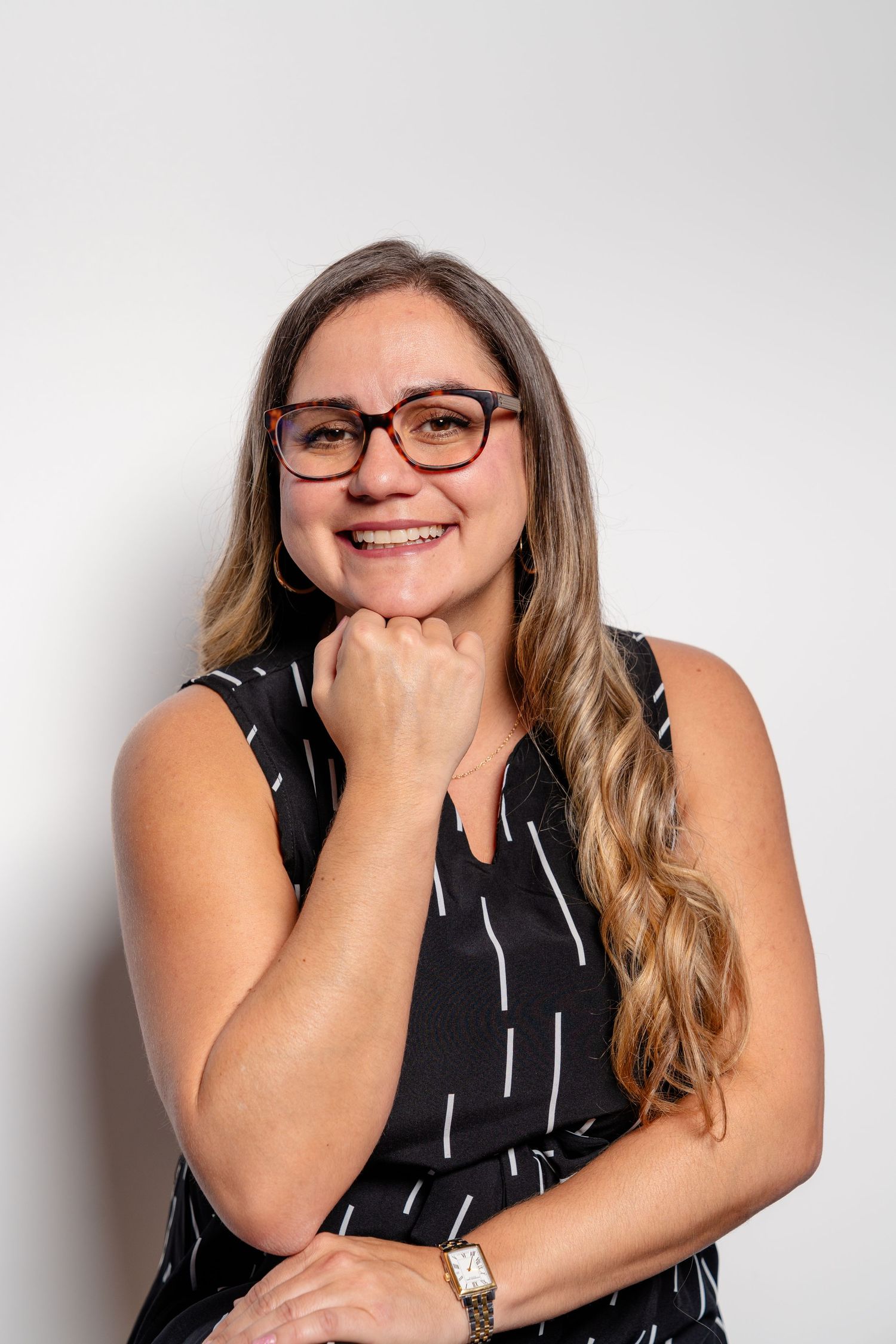
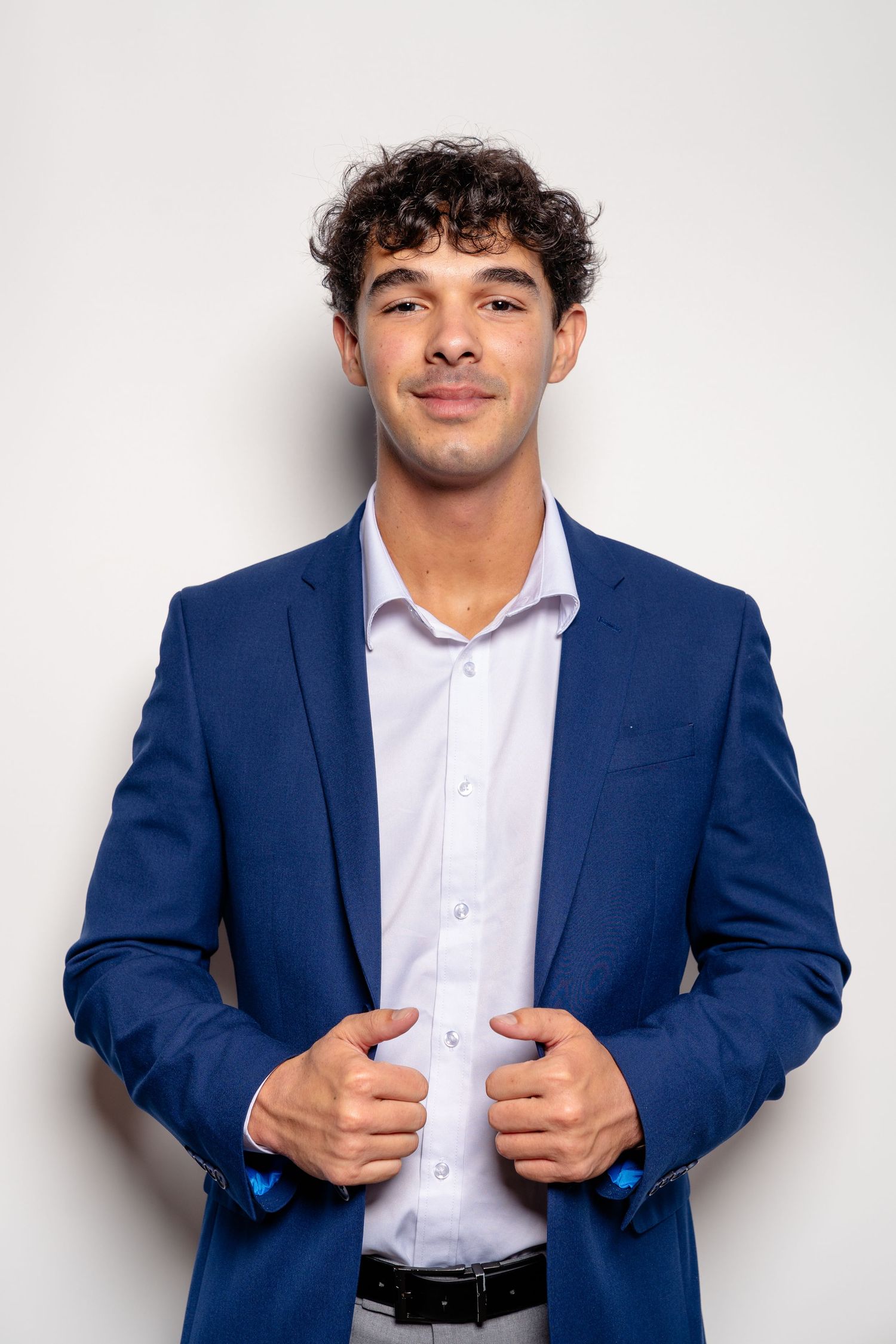
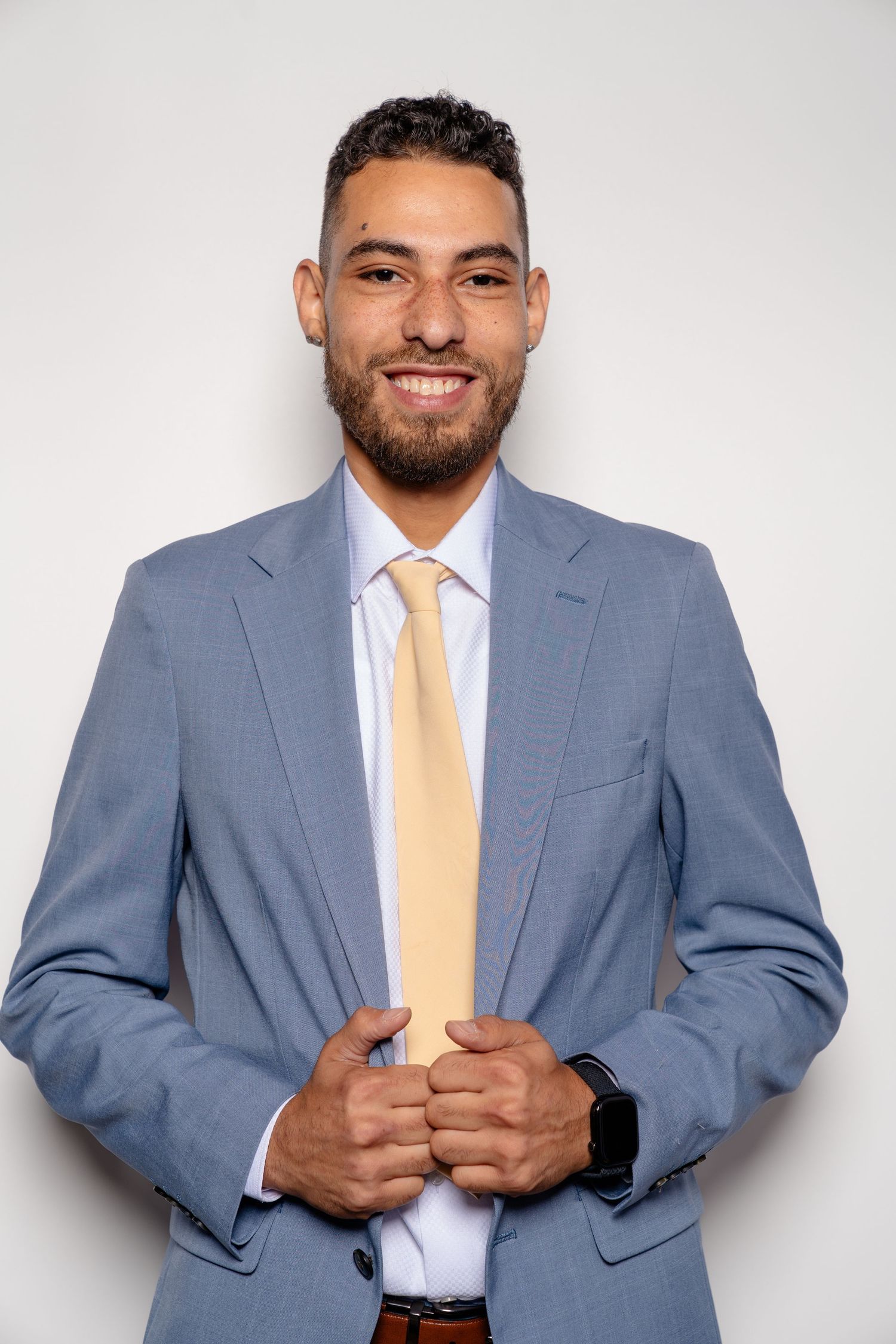
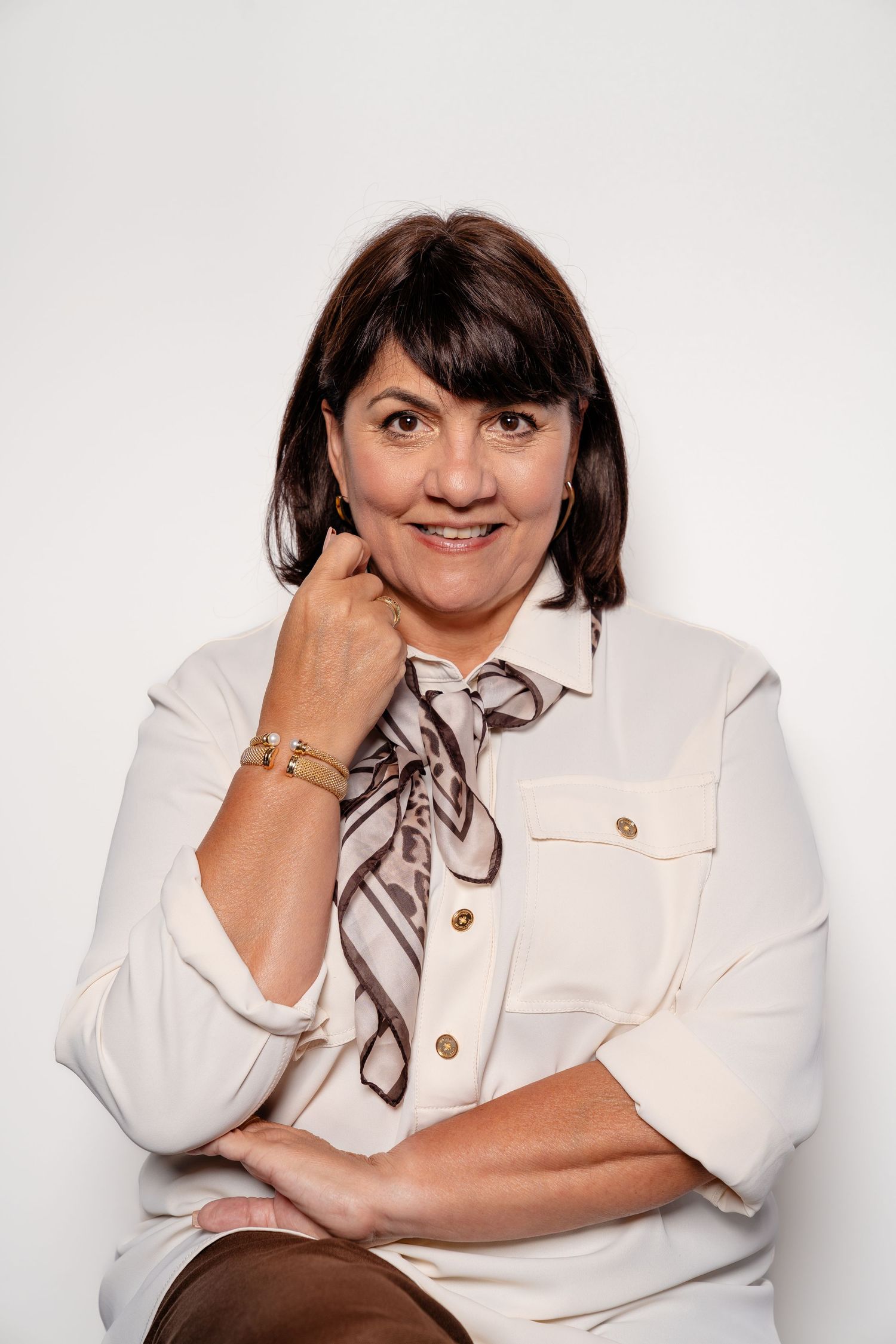
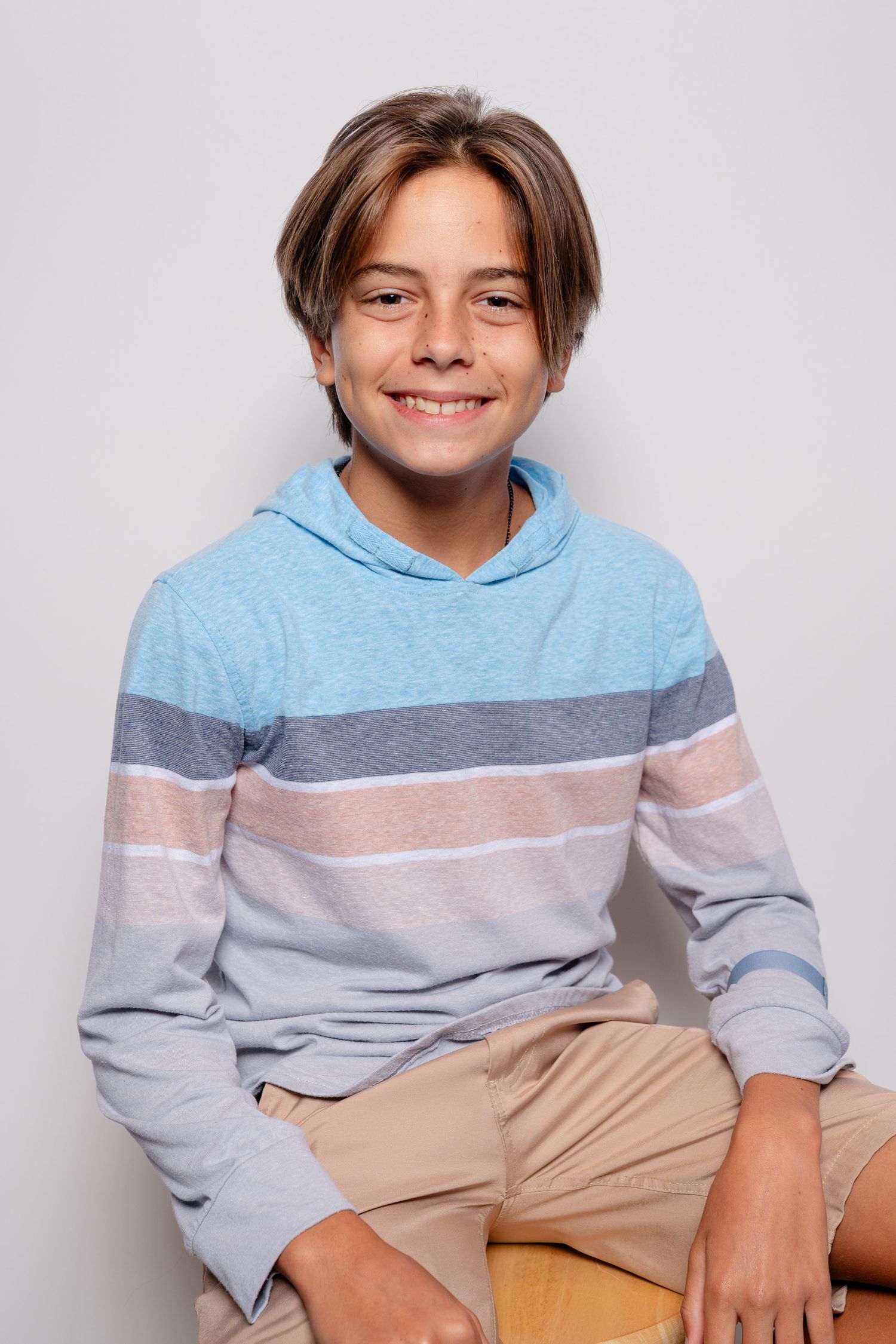
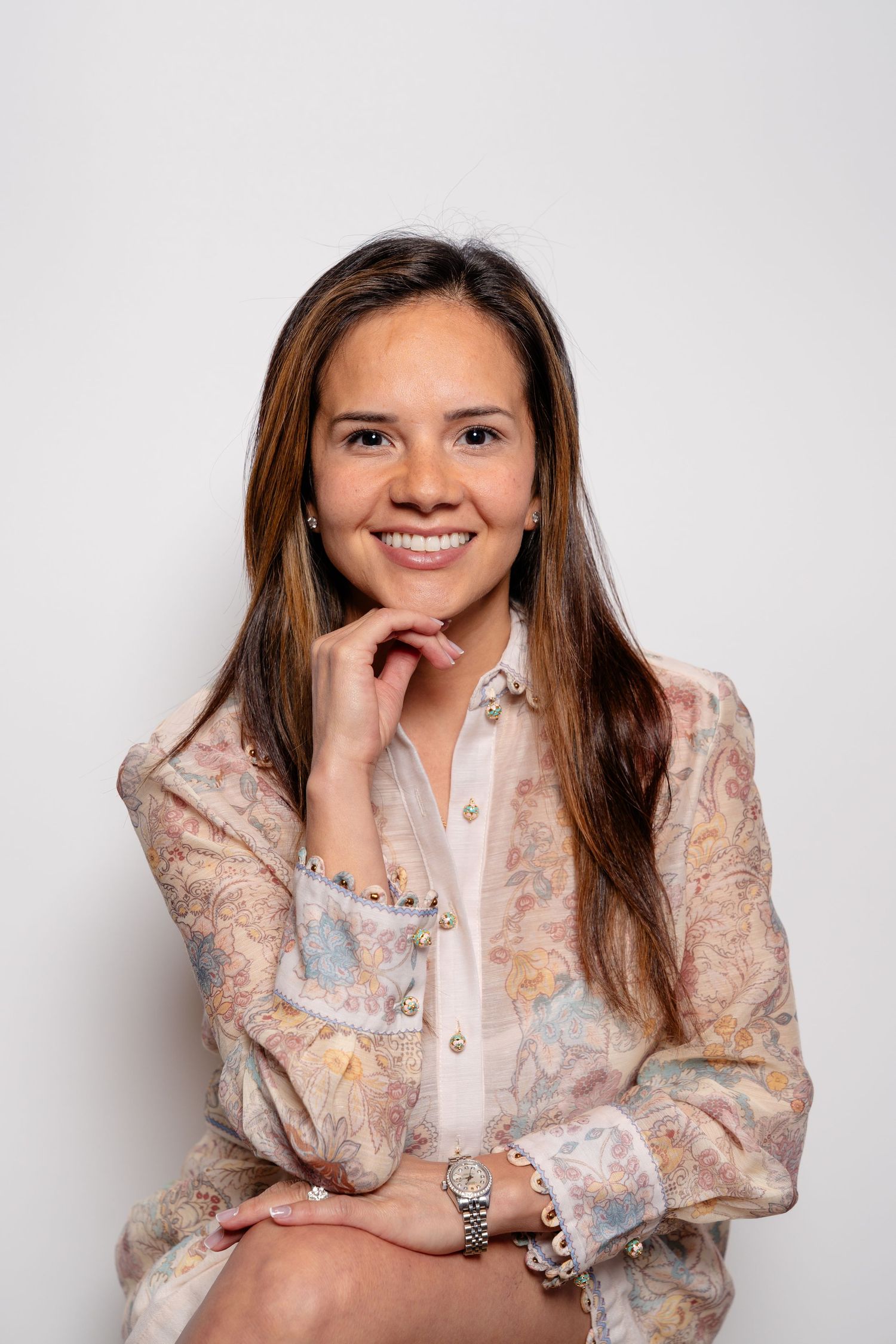
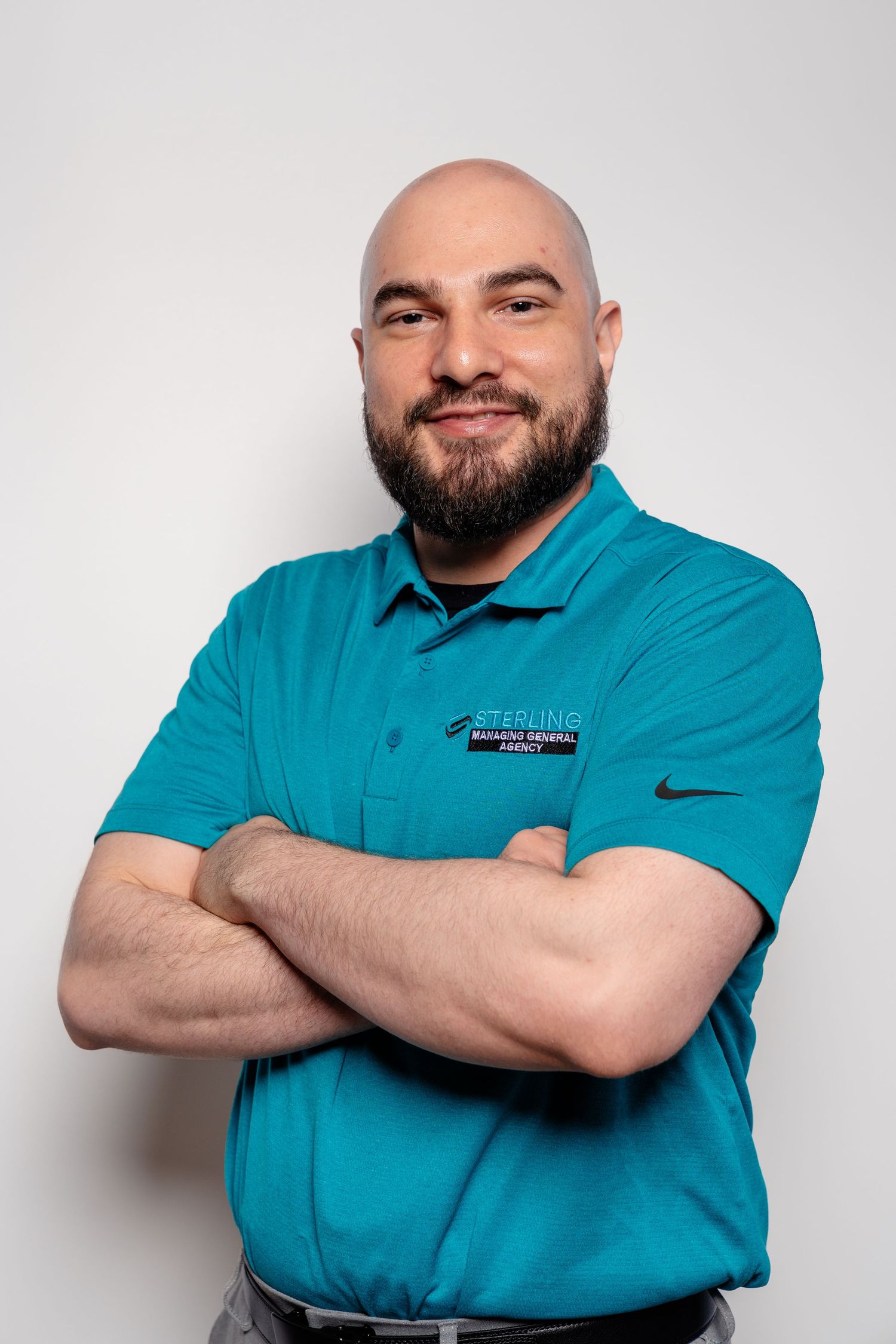
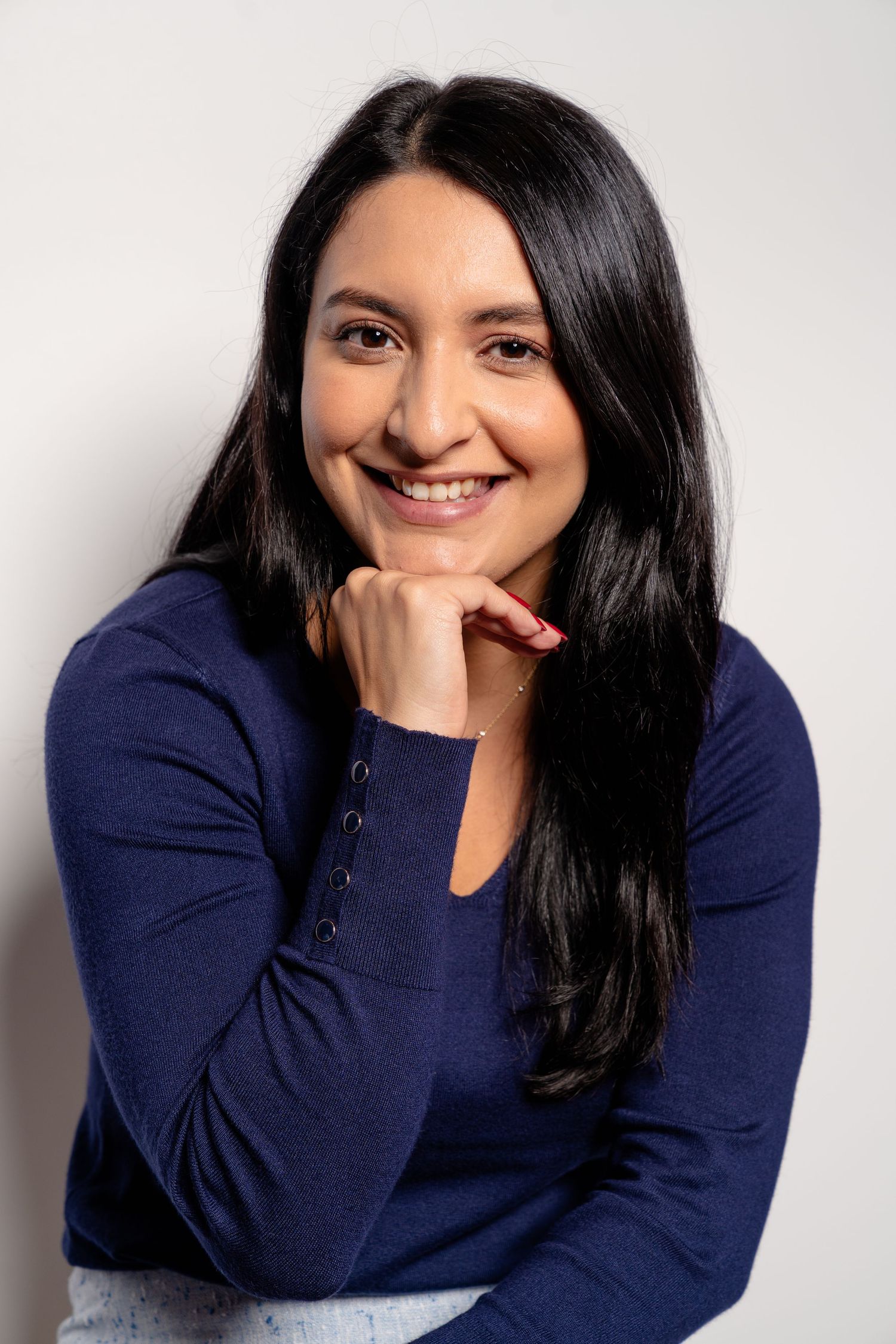
Taking the Studio to Marco Island: Headshots at an LAAIA Event
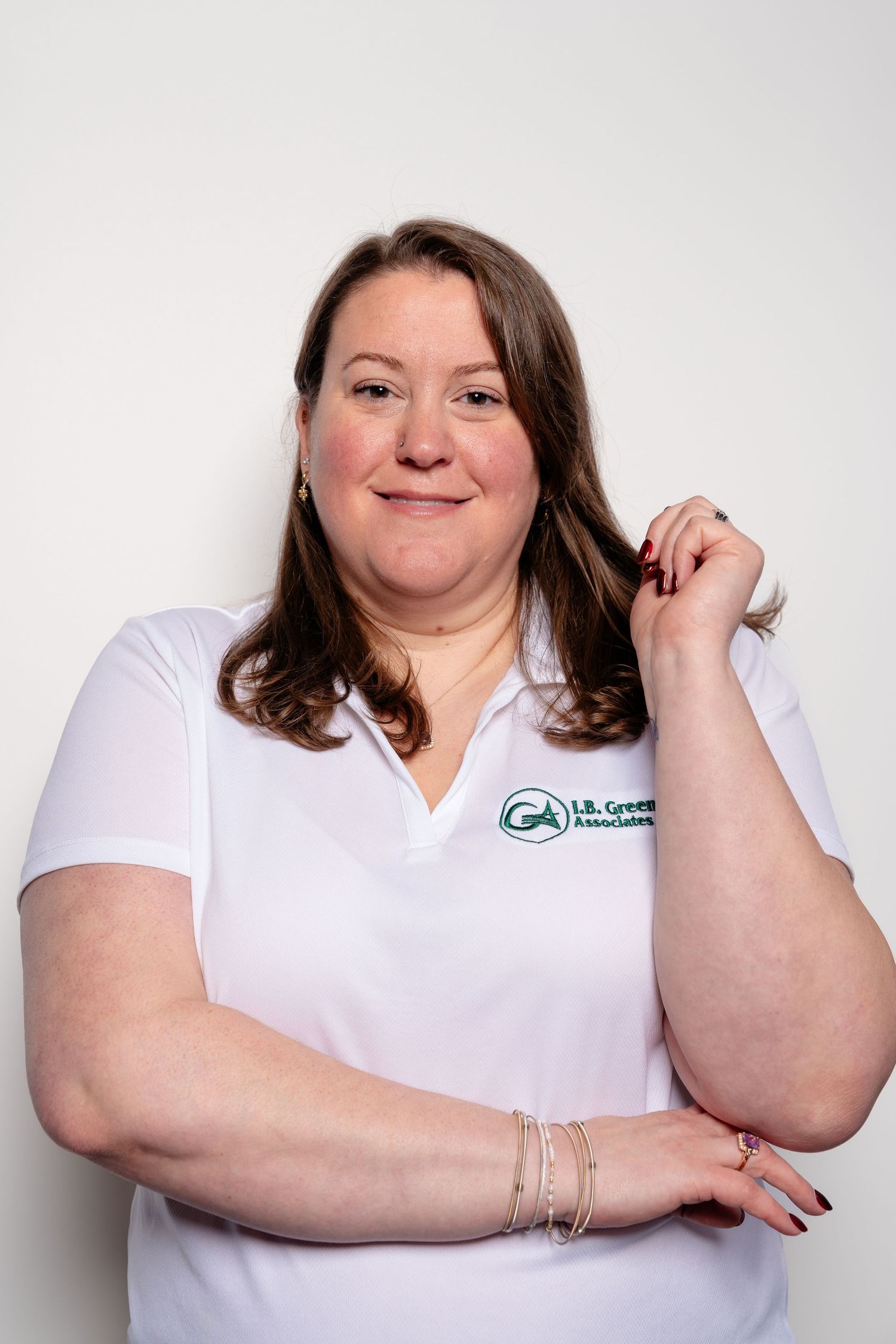
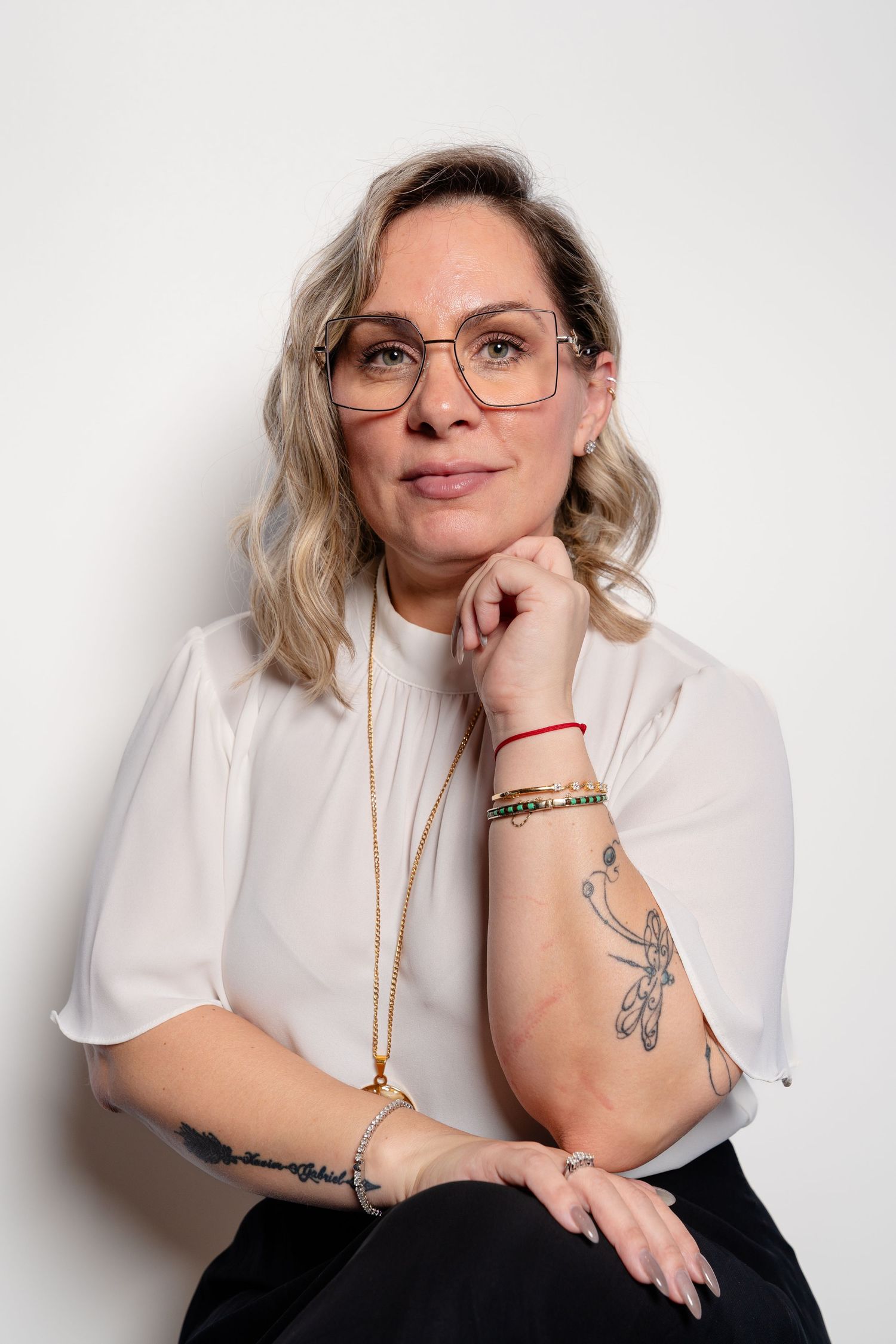
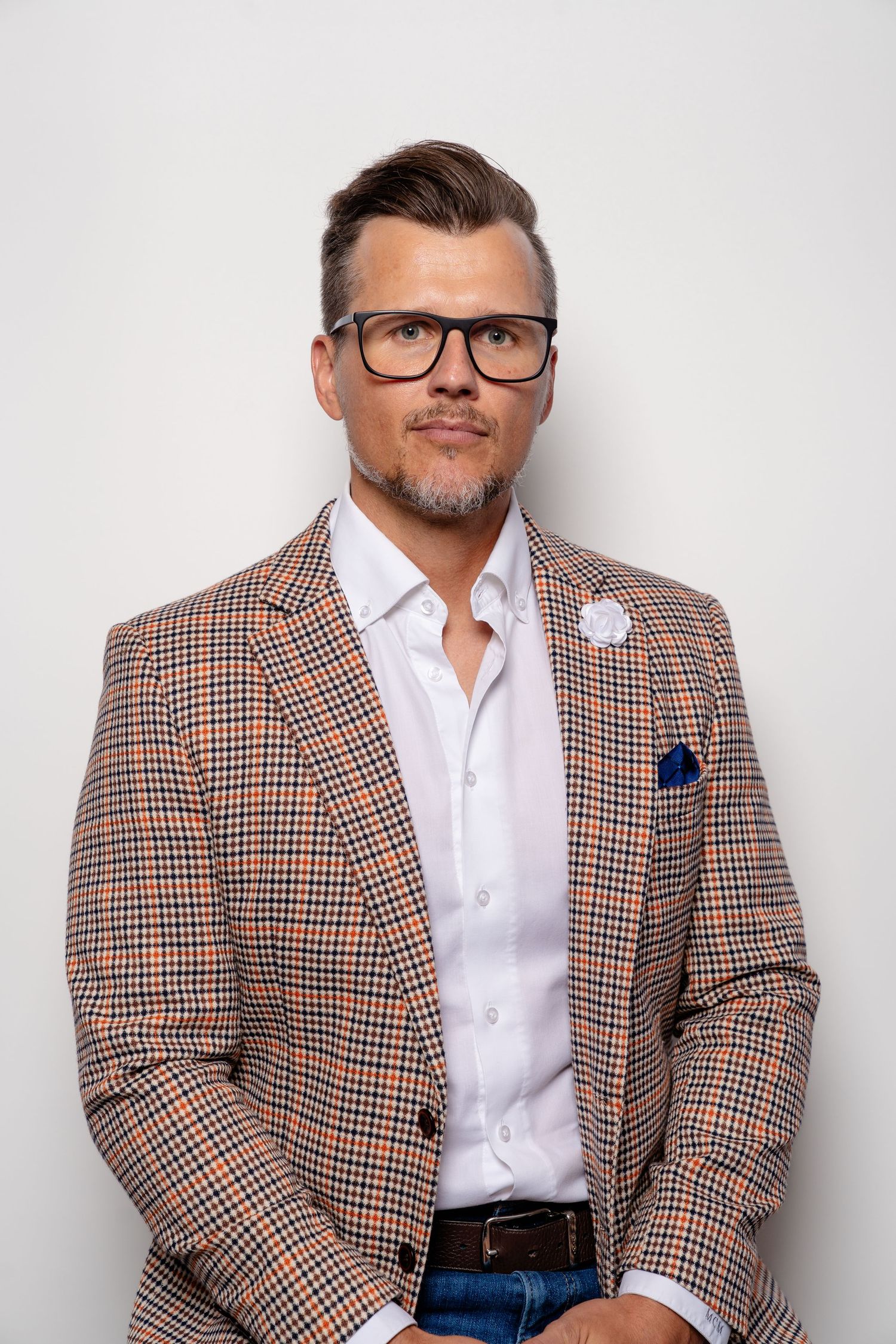
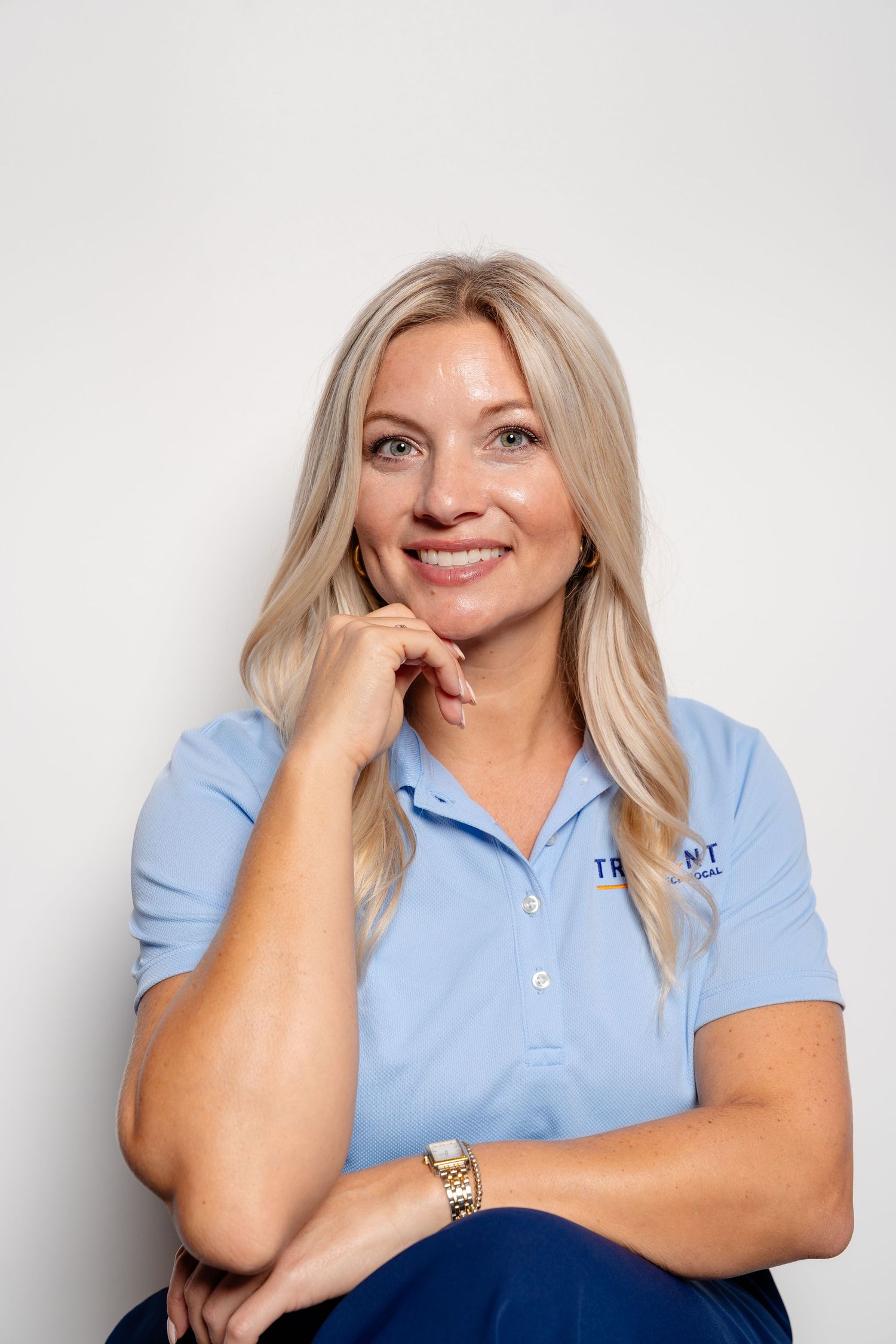
Packing for an event shoot always takes a little more thought than packing for a regular portrait session. For this one, I was heading to Marco Island to photograph professional headshots for attendees at an event with the Latin American Association of Insurance Agencies (LAAIA). That meant bringing enough of my studio with me to create a consistent headshot setup once I got there. Cameras, lenses, lights, stands, modifiers, batteries, memory cards, cables, stool, and all the little things that suddenly become very important when you are working away from your usual space. I would much rather bring something and not need it than realize I left something behind after I arrive.
Finding the Right Setup
The nice thing about working in my own studio is knowing exactly what I'm walking into. At an event, I don't have that luxury. I don't know exactly how the room will be laid out until I get there. I have to look at the available space, see what the existing lighting is doing, figure out what I can use and what I don't want to use, and then build my setup around it.
Conference spaces aren't designed for headshots, so I have to create my own little controlled environment within the larger event. Lighting is a big part of that. I don't want every person's headshot to look different because one person happened to stand closer to a window or because the overhead lights hit them differently. Bringing my own lighting lets me control the look as much as possible, even when I don't have complete control over the room. Once I get everything positioned and tested, I want to be able to stop thinking about the technical setup and concentrate on the people.
Then the People Start Coming Through
This is always my favorite part. One person steps in front of the camera, then another, then another. Some people are completely comfortable. Some tell me right away that they hate having their picture taken. Others aren't sure what to do with their hands or how they're supposed to stand. That's completely normal. Most people aren't professional models, and I don't expect them to know what to do. Part of my job is giving enough direction that they don't have to think about it.
Sometimes it's a small adjustment to posture. Sometimes it's changing the angle slightly. Sometimes we talk for a minute before taking the photograph so they can relax. I think people can tell when a photographer is trying to force a pose versus simply helping them look like themselves and with a professional headshot, that's really what I'm after.
Keeping Things Moving
Event headshots have a different pace than a portrait session. Nobody is necessarily there specifically for me. They have a conference to attend, people to meet, sessions to get to, and conversations happening all around them. So I have to respect their time.The setup needs to be ready. I need to know what I'm looking for before they step in front of the camera, and I need to be able to make small adjustments without turning every headshot into a long portrait session. At the same time, I don't want people to feel rushed, so finding that balance is important. I want the process to feel easy for the person being photographed, even though there is a lot happening around us.
Meeting So Many People
One of the unexpected things I enjoy about event work is how many people I get to meet. At the LAAIA event, I was photographing people from different parts of the insurance industry, and every person brought a completely different personality to the camera. Some were serious. Some were funny. Some were nervous. Some walked in and immediately knew exactly what they wanted. You get a very small window into someone's personality when you're photographing them, and sometimes a two-minute conversation turns into one of the more memorable parts of the day. That's one of the reasons I like photographing events. The photographs are the finished product, but the experience is much more about the people.
Taking the Studio on the Road
This Marco Island event was a good reminder that a photography studio doesn’t always have four walls. Sometimes it’s a corner of a conference space. Sometimes the lighting isn’t ideal. Sometimes you’re working around a busy schedule and a room full of people.
You bring what you need, figure out the space when you get there, and make it work. Once I’m finished photographing everyone, I pack everything back up and the little studio I set up is gone. The event keeps going, and I’m on my way with a memory card full of portraits and a bunch of new names and faces to remember.